Liberty Village vs Fashion District condos is a question I hear from buyers almost every month. Liberty Village suits buyers who want a walkable community with everything close. The Fashion District suits buyers who want to live in the middle of downtown Toronto’s restaurants and nightlife.
Both neighbourhoods sit west of the financial district. Both offer condo living close to the core. The daily feel differs a lot.
In this article, I compare building types, daily routine, transit, prices, and fees. You will know which neighbourhood fits you, what to check before you make an offer, and where each one falls short. I also share what I have seen while helping buyers in both areas.
Two Downtown Toronto Condo Neighbourhoods, Two Different Markets
Liberty Village and the Fashion District sit close to each other, yet each has its own condo market. Many buyers group them together because both sit west of the core and both hold converted lofts and new towers. Both neighbourhoods suit buyers who prefer walking to a daily drive. Look closer and they behave differently, from the buildings to the prices to the noise at 11 p.m. on a Saturday.
My guide on how Liberty Village compares to other downtown condo neighbourhoods covers the wider picture. Instead, here I focus on these two, so you see the trade-offs side by side before you book a single showing.
Where Liberty Village Sits
Liberty Village sits south of King Street West, between Dufferin Street and Strachan Avenue. The Gardiner Expressway and a rail corridor sandwhich it in on the other sides. The area began as an industrial district after the railways arrived in the 1850s. John Inglis and Company opened a plant in 1884, and Massey-Harris followed in 1891. Manufacturing faded once shipping moved from rail to road, and the Inglis plant closed in 1991. The Irwin Toy factory ran until 2003, then became lofts.
Wikipedia’s Liberty Village entry reports 7,836 residents living in only 0.594 square kilometres in 2016, with density up threefold in five years. This density helps explain why the streets feel busy and why shops and restaurants cluster so tightly.
Where the Fashion District Sits
The Fashion District runs roughly from Bathurst Street to Spadina Avenue, and from Queen Street West down to Front Street. It blends into the King West area along King Street West, so buyers often use the two names together.
Garment factories and warehouses filled the district in the early 1900s, drawn by nearby rail lines. After the Second World War, conversion of the old industrial buildings began. Revitalization picked up in the late 1980s, as disused railway land turned into condominiums, townhouses, and retail.
Census figures on Wikipedia show the population growing from 3,949 residents in 2011 to 9,592 in 2021. New residents keep arriving, and the street level keeps changing with them.
Liberty Village vs Fashion District Condos: Building Types
Building type shapes your daily experience more than any other factor.
It sorts buyers into two groups, those who want character and those who want amenities. Building age matters too, because it sets your repair risk and your monthly costs. A converted warehouse and a new tower carry different budgets, even at the same price.
Converted Lofts and Historic Charm
Both neighbourhoods hold converted lofts.
Liberty Market Lofts is among the best-known in the village and buyers hunting for exposed brick and tall ceilings often start there.
In the Fashion District, former garment warehouses along King Street and Queen Street West offer the same historic charm, and several of those industrial buildings hold heritage designation. Hard lofts use the original brick, beams, and concrete. Soft lofts copy the look inside newer construction. My guide to hard loft vs soft loft explains the difference.
Old buildings also bring old windows and uneven floors, so ask about upgrades and sound between suites. Bring a tape measure and knock on the walls. If noise worries you, my advice on dealing with loud condo neighbours is worth reading first.
Newer Glass Towers in East Liberty
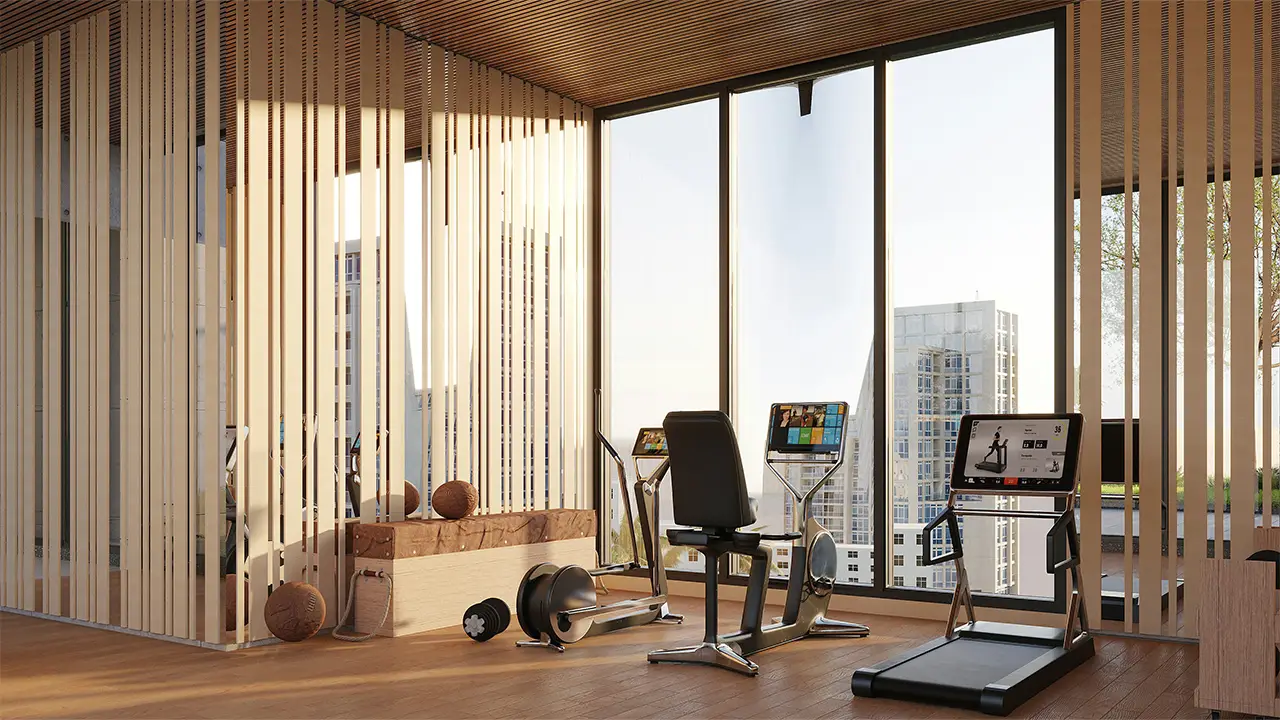
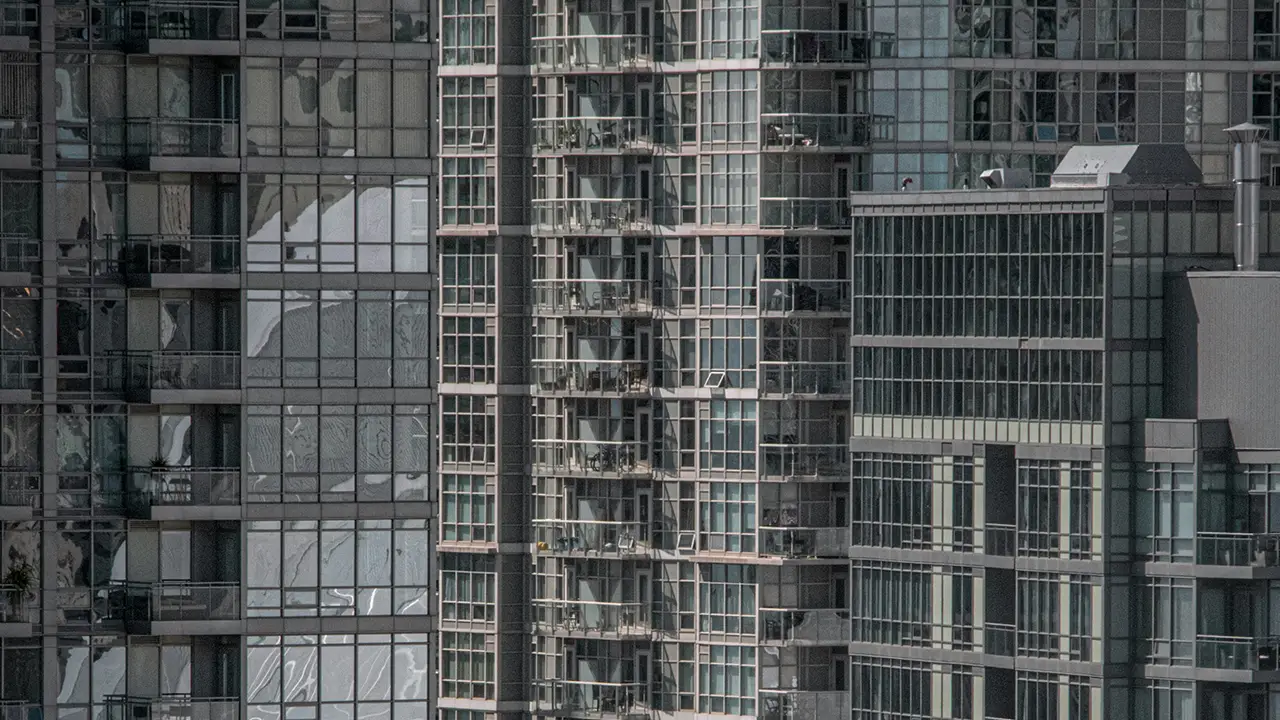
Liberty Village’s newer glass towers cluster around East Liberty, near Strachan Avenue and the Gardiner Expressway. Most buildings there offer gyms, party rooms, and concierge desks. Suites run compact, and floor plans stay efficient. The Fashion District has newer towers too, mixed in among the old warehouses.
Amenities cost money. Every gym and rooftop terrace shows up in your maintenance fees, and my breakdown of Liberty Village condo fees shows how much they vary from building to building. Newer buildings face fewer early repairs, but fees rise as elevators, roofs, and windows age. Check the building age before you assume newer means cheaper to own.
Daily Routine and Condo Living
Your daily routine matters more than any brochure. Ask where you buy coffee, where you exercise, and how you reach work. Write down your typical Tuesday and your typical Saturday, then test each neighbourhood against both. Condo living in each one answers those questions differently.
What Is the Trendiest Neighbourhood in Toronto?
Toronto has many strong contenders, and the answer depends on what trendy means to you. For condo buyers in the west end of downtown, the Fashion District and King West win on nightlife. Restaurants, rooftop bars, and clubs sit a short walk from most buildings, and the Century Room nightclub occupies a historic building at 580 King Street West. Liberty Village wins with young professionals who prefer a quieter routine. Cafés, boutique fitness studios, and daily errands all stay inside the village. Trendy in the Fashion District means going out. Trendy in Liberty Village means staying local.
I tell buyers to visit each area twice, once at lunch on a weekday and once at 10 p.m. on a Saturday. The two visits show you what living there feels like.
Is Liberty Village Worth It?
For the right buyer, yes.
Liberty Village offers a tight community with easy access to restaurants, offices, and fitness studios. Condos.ca shows the average Liberty Village condo at about $892 per square foot, with roughly 75 days on market at the time of writing. Average prices have slipped about 10 percent over the past year, so buyers hold negotiating room. The trade-offs are real. King Street moves slowly at rush hour, event nights near BMO Field bring crowds, and most buildings offer little outdoor space.
I recall a client, a software developer, who chose Liberty Village so she walked to her office on Hanna Avenue. She sold two years later, and the condo was not the reason. She wanted a yard. Liberty Village works well for one stage of life. Know your stage before you buy, and ask how long you plan to stay.
Here is my test. Walk the village on a weekday morning and again on a Friday night. Count how many errands you finish on foot. Then weigh the trade-offs: a slower commute at rush hour, compact suites, and little outdoor space. If the list still looks good, Liberty Village is worth it for you.
Commuting to the Financial District
Your commute decides many purchases. Liberty Village connects to the city through the 504 King streetcar, the 29 Dufferin bus, and Exhibition GO station. Streetcar lines on King Street slow down at rush hour, so some residents walk or cycle instead. GO trains on the Lakeshore West line reach Union Station without touching a road.
The Fashion District sits roughly a 15 to 25 minute walk from the financial district, and the 501 Queen, 504 King, and 510 Spadina lines serve the area. Many residents skip transit altogether. Proximity to work is the Fashion District’s clearest advantage. Liberty Village offers convenience in other forms, like a gym in the lobby. Test the trip before you buy. Ride the streetcar at 8:30 a.m. and again at 5:30 p.m. from the building you are considering.
The GTA Condo Market and Condo Prices
The wider GTA condo market shapes your leverage. TRREB’s August numbers, as reported by Storeys, put the average condo apartment at $617,593 across the GTA and $651,648 in the City of Toronto. The average price for all home types fell 2.7 percent from a year earlier to $993,410. Active condo listings ended the month at 7,882, nearly one third of all active listings.
Supply gives buyers time. I have found patient buyers win in the condo market when listings pile up. They compare more buildings, ask for repairs, and let tired listings sit until the price drops.
For these two neighbourhoods, the takeaway is simple. I ignore the neighbourhood average and study recent sales inside the same building. A loft on the third floor and a tower suite on the thirtieth do not share a price, even on the same street.
What Is the Nicest Condo in Toronto?
Nicest depends on your priorities, so I do not name one building. I judge a condo on four things: a well-run corporation, a healthy reserve fund, a floor plan you will use, and fees you are comfortable paying. A luxury tower with a special assessment is not nice. A modest loft with strong finances is. In these two neighbourhoods, nice splits two ways. Some buyers want character in a loft. Others want amenities in a tower. I have seen owner-occupied buildings keep their shared spaces in better shape, so ask the property manager how many suites owners live in. Ask to see the gym, party room, and parkade during a showing. Tired common areas show how the corporation spends money.
What Floor of Condo Is Most Desirable?
In my experience, the middle floors deliver the best value. Low floors catch street noise. Top floors carry a price premium and longer elevator waits at rush hour. Between them, you get light, views, and quiet at a fair price. In Liberty Village, the exposure also matters, because units facing the rail corridor or the Gardiner Expressway hear the traffic.
I once helped a buyer who loved a low-floor suite facing the tracks. We visited at 8 a.m. on a weekday, heard the trains, and he chose the courtyard side instead. Visit every unit during rush hour before you make an offer. Low-rise Fashion District buildings change the math. A second-floor suite with a terrace at street level gives you outdoor space most towers lack.
What Condo Buyers Should Check First
Condo buyers focus on the suite and forget the corporation. The corporation carries the risk. Before you make an offer, review the documents, especially in converted buildings, where building age drives repair costs. Your lawyer reads the fine print, and I read the numbers. Together we look for red flags before you go firm.
Ask about rental rules, pet rules, and renovation limits too. Each one shapes how you live in the suite and how easily you resell it. Read the declaration, by-laws, and rules before you fall for a floor plan.
Maintenance Fees and the Status Certificate
Maintenance fees pay for the building. Ask for the rate per square foot and compare it across buildings, because a low monthly fee on a large suite is not a low rate. Then request the building’s status certificate. The Condominium Authority of Ontario says the corporation must deliver it within 10 days, and it costs up to $100. It shows the budget, reserve fund, fee increases, special assessments, insurance, and any lawsuits. My guide on what a status certificate is walks through each section. Read the parts on unpaid fees and litigation twice. Compare three buildings side by side before you decide. It costs one afternoon and saves money.
One client I worked with nearly bought a loft in a building whose status certificate showed a special assessment for the roof. We walked away from the unit and found a better-run building three blocks over.
Condo Prep With a Reserve Fund Study
Condo prep starts with the reserve fund study. Ontario corporations commission one at least every three years to forecast big repairs like roofs, elevators, and windows. Compare the fund’s balance to the forecast. A thin fund means higher fees or special assessments later. A healthy fund does not need a big number. It needs a number matching the forecast. Ask your lawyer to review the study, and send it to me early so I flag the figures I watch. Sellers need the same condo prep, because buyers ask for these documents first.
First Time Buyers and Investment Condo Buyers
First time buyers often start in Liberty Village because smaller suites keep entry prices within reach. Per Condos.ca, studios average about $390,000, one-bedrooms about $533,000, and one-bedrooms with a den about $603,000. My guide on buying a condo in Liberty Village covers the steps. Fashion District first time buyers face more variety, from renovated lofts to new towers, so compare several buildings before you settle. Both neighbourhoods sit inside the City of Toronto, so the same provincial and municipal land transfer tax rules apply, along with rebates for first time buyers. Budget for those costs on top of your down payment.
Investment condo buyers watch rental demand and carrying costs. Young professionals and office workers drive rental demand in both neighbourhoods, but monthly fees eat into rent. Run the math before you offer, and read my take on whether Liberty Village is a good investment. A strong location does not fix a weak building.
When to Choose Liberty Village
Choose Liberty Village if you want a self-contained community, a calmer evening, and newer buildings with strong amenities. It suits buyers who work nearby, own a dog, or want a gym without leaving the building. Most buildings offer a balcony rather than real outdoor space, so check the floor plan. Ask about parking and storage lockers early, since both add cost. Available condos come in many sizes, and my guide to Liberty Village apartment sizes and layouts shows what each footprint offers. Families should plan their next move before they buy, since most suites are compact. Visit on a weekday at 5 p.m. to see how the streets, the streetcar, and the lobby feel when everyone comes home.
When to Choose King West and the Fashion District
Choose King West and the Fashion District if you want downtown Toronto at your door. Restaurants, galleries, and nightlife sit within walking distance, and the financial district is a short walk or streetcar ride away. Urban living here means fewer cars and more walking. Buyers who love historic charm, taller ceilings, and a livelier street level find their match here. A renovated loft rewards buyers who value space and character over amenities. Expect more noise on weekend nights, so visit on a Friday at 10 p.m. before you sign. Patios, live music, and late crowds define parts of King Street West, and you should hear it first. Neither neighbourhood is the perfect place for everyone, and there is no single right answer. The right fit comes from matching the neighbourhood to your routine, not the reverse.
Final Thoughts
Liberty Village vs Fashion District condos comes down to lifestyle first and price second. Liberty Village gives you community, newer buildings, and a calmer routine. The Fashion District gives you heritage buildings and downtown energy. Whichever you pick, read the status certificate and the reserve fund study before you go firm. Book two showings in each neighbourhood, one loft and one tower, and compare how each place feels after an hour.
Whether you’re buying your first condo in Liberty Village or weighing it against a loft in the Fashion District, the right guidance saves months of guesswork.
I’m Marco Pedri, and I focus specifically on helping buyers in Liberty Village and downtown Toronto find the right condo, from comparing buildings and reviewing status certificates through to closing. I’m committed to honest advice, real local market insight, and guiding you through the entire process with confidence.
If you’re still torn between the two neighbourhoods, you should connect with a Liberty Village real estate agent. Reach out to me directly. There is no obligation. We will tour a loft and a tower side by side, and you will see which one feels like home.